| Наименование марки: | DLX |
| Номер модели: | Стержень CuNi1 |
| МОК: | 10 кг |
| Условия оплаты: | Л/К, Д/А, Д/П, Т/Т, западное соединение |
| Способность к поставкам: | 500 тонн в месяц |
![]()
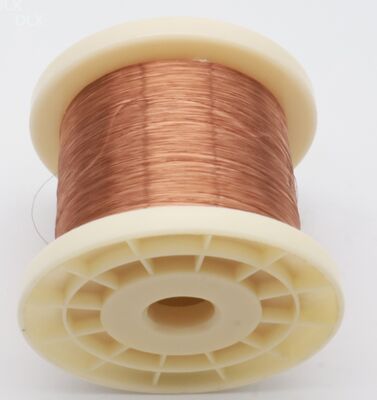
Hydrogen production through water electrolysis is one of the most promising solutions for green energy. As the world looks to reduce its carbon footprint and transition to cleaner energy sources, the demand for efficient and durable materials for electrolysis equipment continues to grow. One such material making waves in this sector is CuNi1 alloy wire, which is known for its exceptional properties in hydrogen electrolysis. At DLX, we are proud to offer CuNi1 alloy wire as a key component in the production of hydrogen, ensuring both efficiency and reliability.
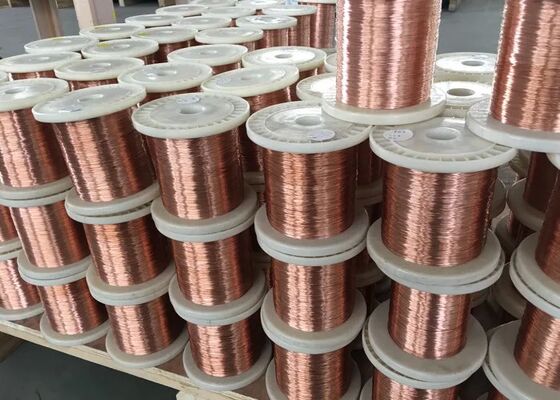
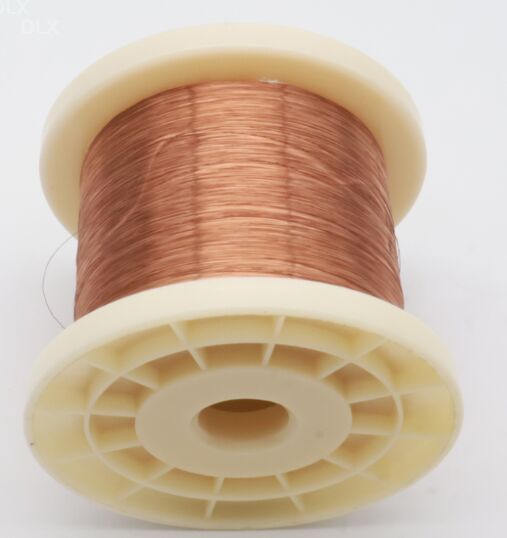
CuNi1 Alloy Wire is specifically designed for use in hydrogen electrolysis, where its high resistance and excellent corrosion resistance come together to provide superior performance. Composed primarily of copper (Cu) and nickel (Ni), the CuNi1 alloy is the ideal material for electrolysis electrodes, making it perfect for electrolyzers, fuel cells, and other electrochemical applications.
The CuNi1 alloy wire is engineered to withstand the harsh conditions typically found in electrolysis systems, including high temperatures, aggressive electrolytes, and continuous electrical stress. With its excellent conductivity, mechanical strength, and resistance to corrosion, CuNi1 ensures efficient hydrogen production and long-lasting durability.
|
Properties Material |
Resistivity 200c μΩ.m |
Max working temperature (℃) |
Tensile strength (Mpa) |
Melting point (℃) |
Density (g/cm3) |
TCR *10-6/℃ (20-600℃) |
EMF vs Cu (μV/℃) (0-100℃) |
|---|---|---|---|---|---|---|---|
|
CuNi1 |
0.03 |
200 |
210 |
1085 |
8.9 |
<100 |
-8 |
|
CuNi2 |
0.05 |
200 |
220 |
1090 |
8.9 |
<120 |
-12 |
|
CuNi6 |
0.1 |
220 |
250 |
1095 |
8.9 |
<60 |
-18 |
|
CuNi8 |
0.12 |
250 |
270 |
1097 |
8.9 |
<57 |
-22 |
|
CuNi10 |
0.15 |
250 |
290 |
1100 |
8.9 |
<50 |
-25 |
|
CuNi14 |
0.2 |
300 |
310 |
1115 |
8.9 |
<30 |
-28 |
|
CuNi19 |
0.25 |
300 |
340 |
1135 |
8.9 |
<25 |
-32 |
|
CuNi23 |
0.3 |
300 |
350 |
1150 |
8.9 |
<16 |
-34 |
|
CuNi30 |
0.35 |
350 |
400 |
1170 |
8.9 |
<10 |
-37 |
|
CuNi34 |
0.4 |
350 |
400 |
1180 |
8.9 |
0 |
-39 |
|
CuNi44 |
0.5 |
400 |
420 |
1200 |
8.9 |
<-6 |
-43 |
|
Size Range |
|
|---|---|
|
Wire |
0.08-7.5mm |
|
Ribbon |
(0.05-0.35)*(0.5-6.0)mm |
|
Strip |
(0.50-2.5)*(5-180)mm |
|
Rod |
8-50mm |
High Durability: The CuNi1 alloy wire is highly resistant to corrosion, even in challenging electrolysis environments. It withstands both acidic and alkaline electrolytes, making it highly durable for long-term use in hydrogen production.
Excellent Electrical Conductivity: With a conductivity rating of 25% IACS, the CuNi1 alloy wire ensures that energy losses during electrolysis are minimized, optimizing overall efficiency.
Superior Mechanical Strength: CuNi1 alloy exhibits a high tensile strength of at least 450 MPa, making it suitable for applications under mechanical stress.
Thermal Stability: The wire can perform at temperatures up to 600°C, offering greater stability in high-temperature electrolysis conditions.
Customization: CuNi1 wire is available in a wide range of diameters, from fine wires for precise applications to thicker wires for industrial-scale electrolyzers.
![]()
Improved Efficiency: CuNi1 alloy wire significantly improves the efficiency of hydrogen production. By maintaining excellent conductivity and reducing energy loss, it supports continuous and cost-effective electrolysis processes.
Longer Service Life: Thanks to its corrosion-resistant properties, CuNi1 extends the operational life of electrolyzers, making it a highly cost-effective solution over time.
Robust Performance in Harsh Conditions: CuNi1 alloy wire performs well in both high-temperature and high-stress environments, making it ideal for industrial-scale hydrogen production.
Sustainable Solution: With the rising need for green energy, CuNi1 alloy wire plays a key role in advancing sustainable hydrogen production, which contributes to reducing the carbon footprint.
The hydrogen economy is expanding rapidly, with governments and private sectors around the world investing heavily in hydrogen technologies. As a clean energy source, hydrogen is considered essential for industries such as transportation, heavy manufacturing, and power generation.
The growth of the hydrogen market is driving the demand for advanced electrolysis technologies, particularly those that can produce hydrogen more efficiently and at a lower cost. This places a spotlight on materials like CuNi1 alloy wire, which is crucial for increasing the efficiency of electrolyzers.
With advancements in hydrogen production and a shift towards renewable energy sources, industries are increasingly seeking materials that can handle demanding electrochemical reactions without compromising performance. CuNi1 alloy wire stands out due to its resistance to corrosion and its ability to maintain excellent electrical conductivity, positioning it as an optimal material for electrolysis.
Electrolysis: As a key material for hydrogen production via water electrolysis, CuNi1 alloy wire is used in both laboratory-scale and industrial-scale electrolyzers.
Fuel Cells: In hydrogen fuel cell technology, the wire is utilized for various electrode applications, contributing to the overall efficiency of the fuel cell.
Corrosion-Resistant Components: The alloy wire is ideal for manufacturing components in corrosive environments, such as marine and chemical processing industries.
Electrical Contacts: Thanks to its high electrical conductivity, CuNi1 alloy wire is also used in electrical contacts and connectors, ensuring reliable operation in various electronic devices.
![]()
At DLX, we pride ourselves on offering high-quality materials that drive efficiency and sustainability in the hydrogen industry. Our CuNi1 alloy wire is crafted using the latest manufacturing techniques, ensuring precision and reliability. With a focus on research and development, we continually refine our products to meet the evolving demands of the hydrogen market.
DLX stands out in the industry due to:
Expertise: Years of experience in alloy production and electrochemical applications.
Customization: We offer tailored wire diameters and lengths to meet your specific needs.
Quality Assurance: Our products are subject to rigorous testing to ensure the highest standards of quality.
Sustainability: Our focus on sustainable materials and manufacturing processes ensures a minimal environmental impact.
What is CuNi1 alloy wire?
CuNi1 alloy wire is a material made from copper and nickel, primarily used in electrolysis applications due to its excellent conductivity and corrosion resistance.
What makes CuNi1 alloy wire ideal for hydrogen production?
Its high corrosion resistance, superior conductivity, and mechanical strength make it perfect for harsh electrolysis environments, ensuring efficient and durable hydrogen production.
Can CuNi1 alloy wire be used in high-temperature environments?
Yes, CuNi1 alloy wire is stable up to 600°C, making it suitable for high-temperature electrolysis processes.
How does CuNi1 alloy wire perform in corrosive environments?
The wire’s composition allows it to withstand both acidic and alkaline environments without significant degradation, extending its service life.
What industries use CuNi1 alloy wire?
It is primarily used in hydrogen production, fuel cells, and electrical components, as well as industries requiring corrosion-resistant materials.
What are the advantages of CuNi1 alloy wire over other materials?
CuNi1 offers excellent durability, high efficiency, and long-term cost-effectiveness due to its corrosion resistance and mechanical strength.
Can DLX customize CuNi1 wire?
Yes, DLX offers CuNi1 alloy wire in various diameters and lengths to meet specific client needs.
What is the cost of CuNi1 alloy wire?
Pricing depends on the diameter, length, and quantity required. Contact us for a personalized quote based on your project’s needs.